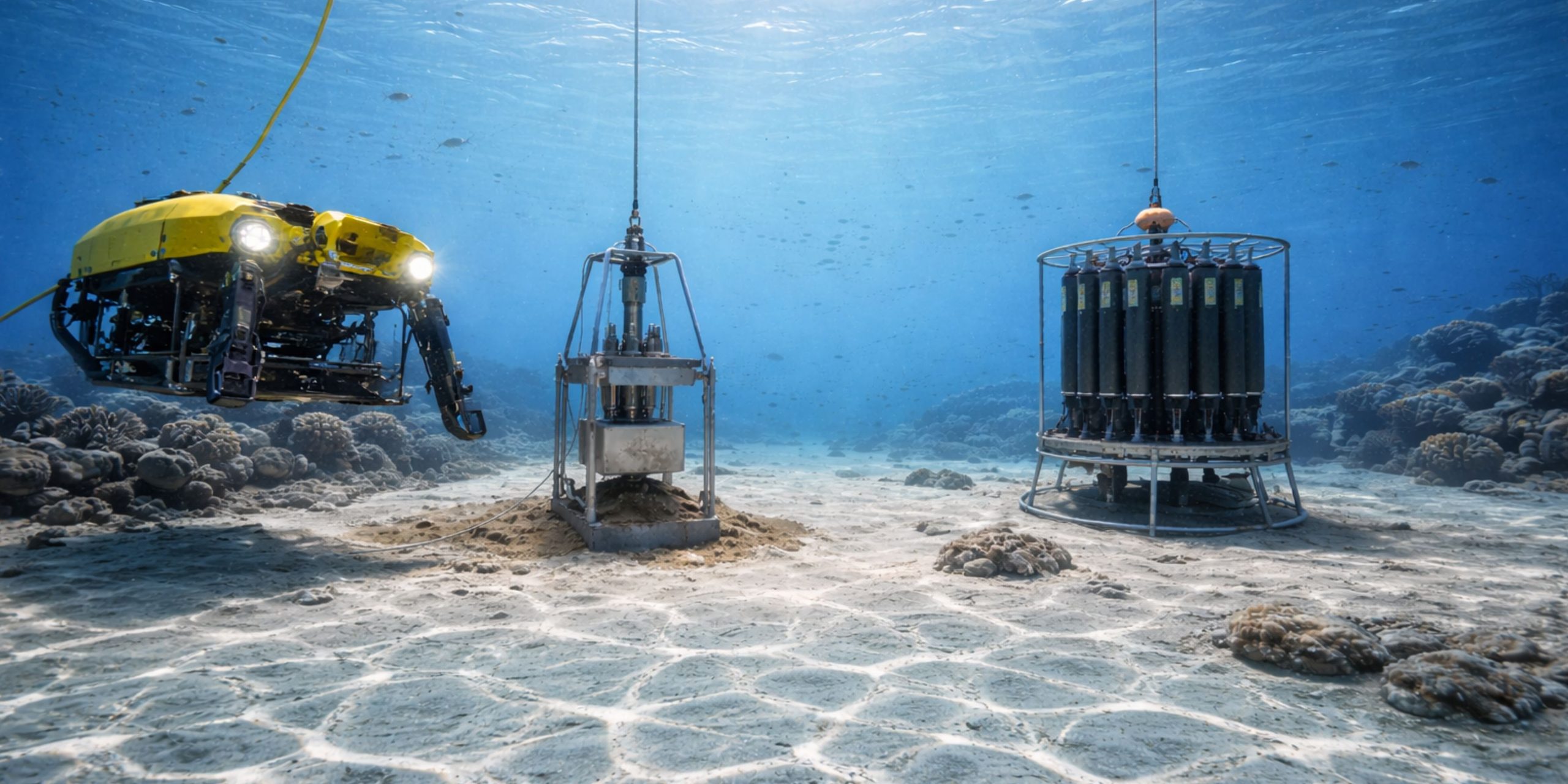
Consultancy
solutions for infrastructure, energy and offshore developments.
Who We Are
We are an environmental consultancy company specializing in
Environmental and Social Impact Assessment (ESIA), metocean modelling
and reporting, supporting coastal and marine construction and
infrastructure projects.
Pera Proje was established in 1994 and was renamed as Pera Proje
in 2021. We provide professional environmental and social consultancy
services to national and international clients operating in offshore,
coastal and marine environments.
Environmental & Social Impact Assessment (ESIA)
Experienced Multidisciplinary Team
Metocean Modelling & Reporting
Regulatory Compliance Expertise
Offshore & Coastal Project Support
Sustainable & Science-Based Solutions

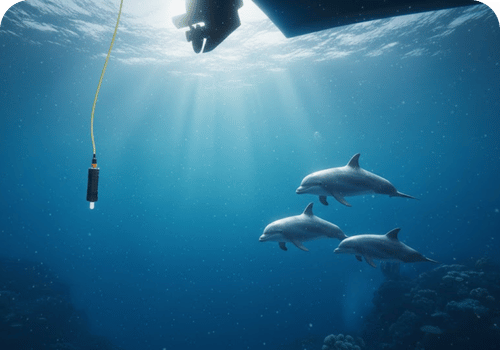
Environmental and Social Impact Assessment (ESIA)
- Site assessment & environmental baseline studies
- Environmental management solutions & monitoring programs
- Environmental & social impact assessment
- Environmental auditing & regulatory compliance
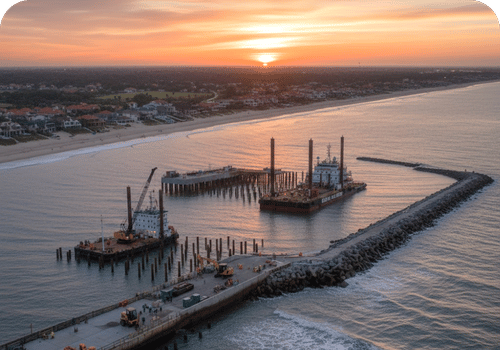
Coastal & Marine Construction Support
- Project planning & proposal development
- Site supervision
- Documentation control
- Project management support
- Auditing services
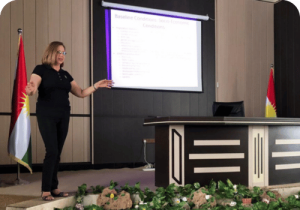
Training
- Training needs assessment
- Training material development
- Training consulting
- Training follow-up & monitoring
- Training evaluation
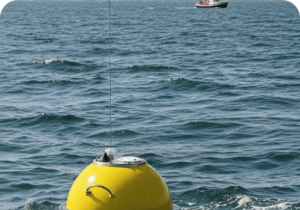
Metocean Modelling
- ADCP deployment & analysis
- Metocean modelling
- Offshore data interpretation
- Technical reporting & visualization
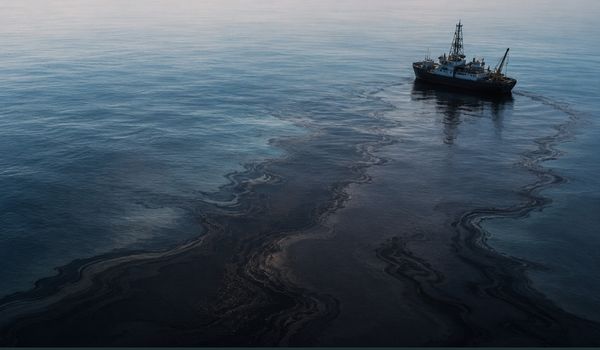
Oil Spill Modelling
- Spill trajectory & fate modelling
- Metocean-based seasonal dispersion analysis
- Sensitivity, uncertainity and scenario analysis
- Shoreline interaction, impact assesment and exposure analysis
- Risk & response planning
- GIS-based visualization and technical reporting
Project Framing
The Project is framed within an integrated environmental and social risk management approach aligned with national legislation and international lender requirements. From the earliest design stage, environmental constraints, ecological sensitivities and stakeholder considerations have been embedded into planning decisions.
The Project footprint has been defined through spatial screening that considered:
· Marine ecological sensitivity,
· Critical habitat presence,
· Coastal dynamics and sediment transport,
· Socio-economic receptors (fisheries, coastal users),
· Regulatory setback and protection zones.
Rather than treating impact management as a post-design exercise, environmental considerations were incorporated at the conceptual design stage. Site selection, dredging methodology, vessel routing and operational timing were refined through iterative environmental screening.
The Project framing therefore reflects a design-led avoidance approach, prioritizing impact prevention before mitigation and compensation measures are considered.
Impact Assessment
The impact assessment was conducted in accordance with:
· National EIA requirements,
· IFC Performance Standards,
· World Bank Environmental and Social Framework
· Relevant EU Directives and international marine conventions.
Impacts were assessed across construction, dredging, operation and cumulative scenarios. The assessment considered:
· Physical environment (water quality, sediment dispersion, air emissions, noise),
· Biological environment (benthic communities, fish, marine mammals, fauna, habitats),
· Coastal and marine processes,
· Socio-economic receptors.
A source–pathway–receptor framework was applied to determine:
· Magnitude of change,
· Sensitivity of receptors,
· Duration and reversibility,
· Likelihood of occurrence.
Where relevant, modelling studies (e.g., sediment plume dispersion, air quality dispersion, underwater noise propagation) were integrated to quantify potential impacts.
Cumulative impacts were evaluated considering existing and planned activities within the regional marine environment.
Mitigation Hierarchy
Impact management follows the internationally recognized Mitigation Hierarchy:
Avoidance
Project layout and methodologies are optimized to avoid sensitive habitats and minimize footprint wherever technically feasible.Minimization
Where avoidance is not possible, impacts are reduced through:
- Controlled dredging techniques,
- Seasonal work restrictions,
- Turbidity monitoring and adaptive management,
- Emission control measures,
- Waste and spill prevention systems.
Restoration
Temporary disturbances to marine and coastal environments will be subject to natural recovery processes supported by monitoring commitments. Where needed, active rehabilitation measures will be implemented.Offset (if required)
In the unlikely event of residual significant impacts on critical habitats, biodiversity offset mechanisms consistent with IFC PS6 principles would be considered. The objective is to achieve no net loss of natural habitats and maintain ecosystem functionality.
Justification of the Project
The Project responds to strategic infrastructure and operational needs while integrating environmental responsibility as a core design principle.
The justification is based on:.
· Optimized siting to reduce environmental footprint,.
· Alignment with national development objectives,
· Compliance with international environmental standards,.
· Long-term operational efficiency and resilience..
.
Alternatives analysis was undertaken to evaluate:.
· Site alternatives,.
· Technical alternatives,.
· Construction methodologies,.
· No-project scenario..
.
The selected configuration represents the option with the most balanced outcome between technical feasibility, environmental protection and socio-economic considerations..
The Project therefore demonstrates that environmental protection and infrastructure development are not competing objectives, but integrated components of sustainable marine planning.
ESIA Projects
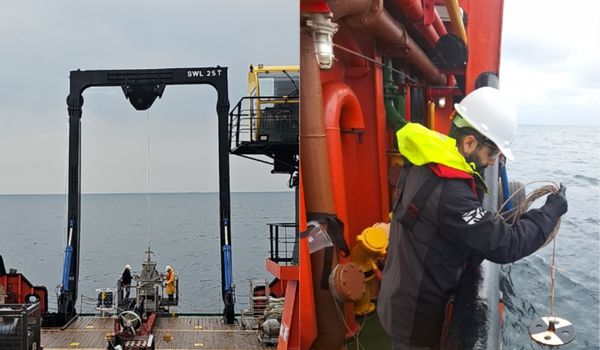
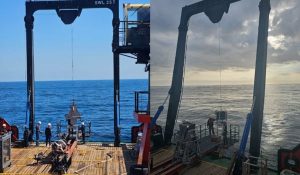
Sakarya Gas Field Upstream Development Project Phase-3 Baseline ESIA
Comprehensive marine baseline survey generating reference data for impact prediction and future monitoring programs.
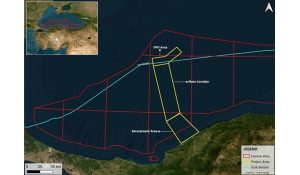
Sakarya Gas Field Upstream Development Project Phase-1 & 2 ESIA Monitoring Survey – September
Seasonal environmental monitoring and offshore risk assessment under continuous ESIA compliance framework.
Sakarya Gas Field Upstream Development Project Phase-1 & 2 ESIA Monitoring Survey – June
Offshore environmental and social monitoring program ensuring IFC-aligned compliance and operational sustainability.
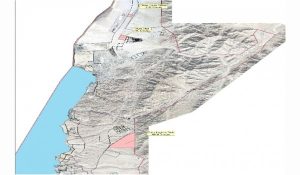
Akabe Industrial Site Master Plan and Design
USAID-funded master planning and ESIA study for the Aqaba Free Industrial Zone in southern Jordan.
Marine Projects
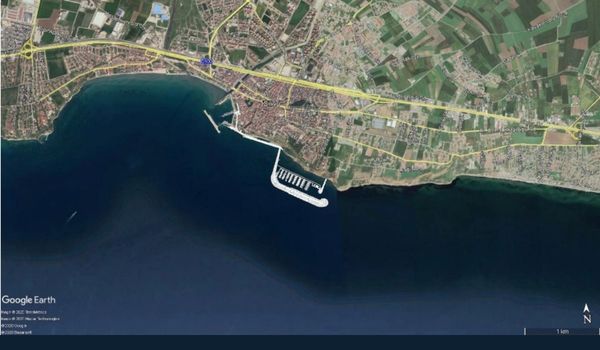
Istanbul Silivri Yacht Marina
Comprehensive marine baseline survey generating reference data for impact prediction and future monitoring programs.
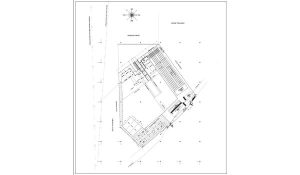
Geotechnical Risk Assessment of Altınova Shipyard Travel Lift
Geotechnical risk assessment for the travel lift pier construction at Altınova Shipyard, including analysis of pile installation impacts on the nearby offshore natural gas pipeline and evaluation of site soil and groundwater conditions.
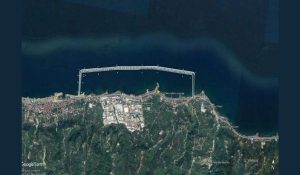
Trabzon Investment Island and Industrial Zone
Marine engineering design for industrial coastal structures and offshore reclamation.
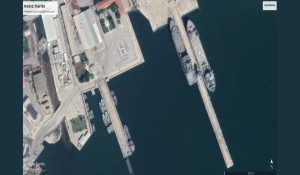
Izmir Shipyard Command Burak Pier Technical Evaluation Study
Structural assessment and performance evaluation of naval pier infrastructure.
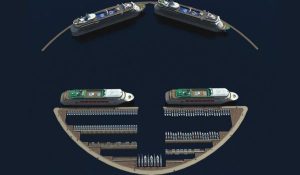
Antalya Cruise Port
Cruise port and marina development with integrated coastal infrastructure.
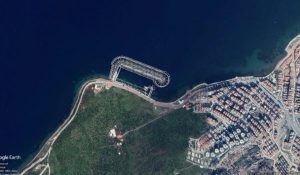
Izmir Dikili Small Boat Mooring Area
Marine engineering design and coastal infrastructure planning for small craft mooring facilities.
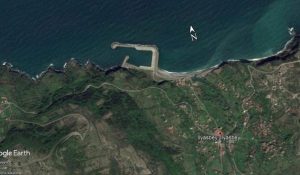
Cide İlyasbey Fishing Port Repair Project
Damage assesment and structural repair design for fishing port infrastructure.
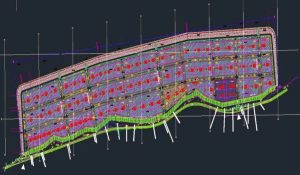
Saros Bay FSRU LNG Natural Gas Pipeline Project
Marine engineering design of the offshore FSRU LNG transfer and gas pipeline infrastructure.
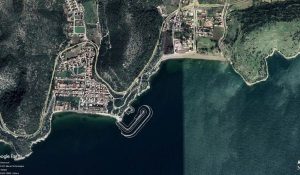
Ahmetbeyli Fishing Port
Breakwater and quay design for a coastal fishing harbor infrastructure project.
Office
Keskin Kalem Sk. 21/1 34394 Şişli/İSTANBUL
Phone Number
GSM